
How Flooring Installation Works for Wilton, CT Homes
Beacon Flooring installs hardwood, engineered wood, luxury vinyl, laminate, tile and carpet for homeowners in Wilton, CT. This page explains the work itself: how it is done, how long it takes, what it costs and what you need to decide before the first board goes down.
Flooring installation is the removal of old floor coverings, preparation and leveling of the subfloor, and fitting of new hardwood, engineered wood, luxury vinyl, laminate, tile or carpet. Beacon Flooring installs floors for homeowners and property owners in Wilton, CT, from single rooms to whole-house projects.
What Flooring Installation Involves and Why Prep Matters
Flooring installation is the full job of taking out an old floor, preparing the subfloor beneath it, and fitting a new surface so it stays flat, tight and quiet for years. In Wilton, CT, Beacon Flooring handles that work in kitchens, living rooms, bedrooms, basements, hallways and stairs. The finished surface sets the look of a room, but the preparation underneath decides how long it lasts.
Most installation failures trace back to layers nobody sees. Squeaks, gaps between boards, cracked tile and grout, cupped hardwood and peaking laminate usually come from an uneven or damp subfloor, missing expansion space, or a product that does not suit the room. Basements, slab floors and older homes with settled framing are especially prone to these problems.
A careful installation solves them before they start. Moisture is measured, low spots are leveled, loose subfloor panels are screwed down, and each material is installed to the manufacturer's written instructions so the product warranty stays valid. Small steps like undercutting door jambs and leaving the right gap at the walls make the difference between a floor that looks finished and one that actually performs.
Beacon Flooring gives homeowners a written quote that separates materials, preparation and labor, explains the trade-offs between products in plain language, and protects the rest of the house during the work. Questions about a project can be answered by phone at (475) 335-8493 before any commitment is made.
What Is Included in a Flooring Installation Job?
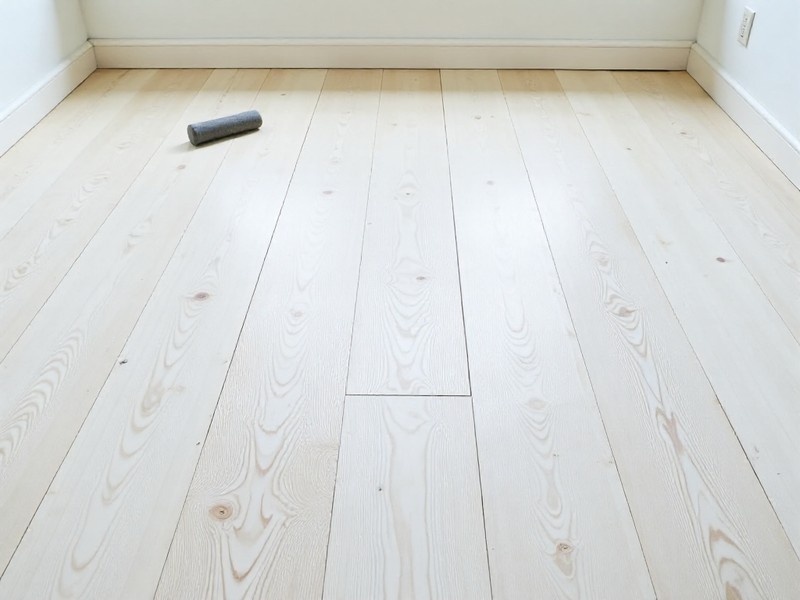
A Beacon Flooring installation job includes everything from the first measurement to the last piece of trim: removal and disposal of the old floor, subfloor repair and leveling, underlayment or moisture barrier, the new flooring itself, transition strips at doorways, and reinstalled or new baseboard and shoe molding. Furniture moving can be included when it is arranged in advance.
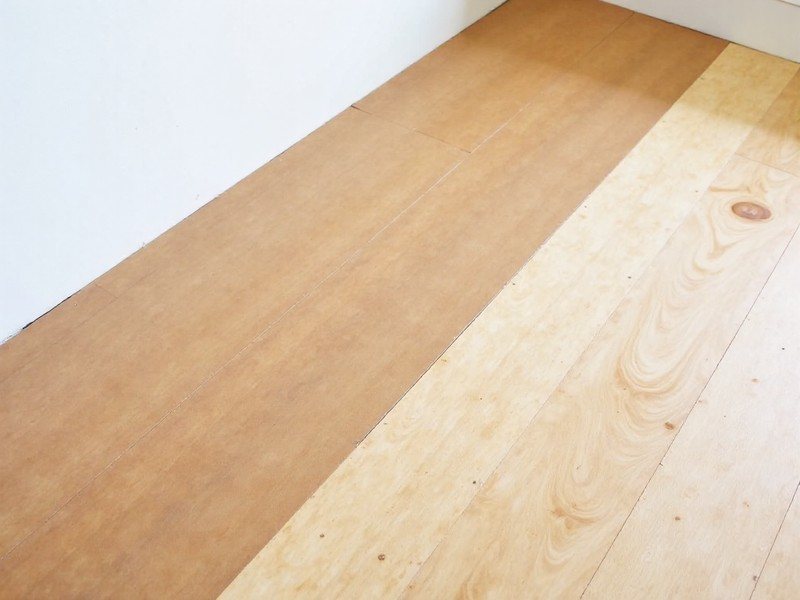
Preparation is where most of the time goes. The crew checks the subfloor with a long straightedge, grinds down high spots and fills low ones with floor patch or self-leveling compound, and fastens any loose plywood that could squeak. A moisture meter is used on wood subfloors and concrete slabs, because excess moisture is the most common cause of buckled wood and failed adhesive.
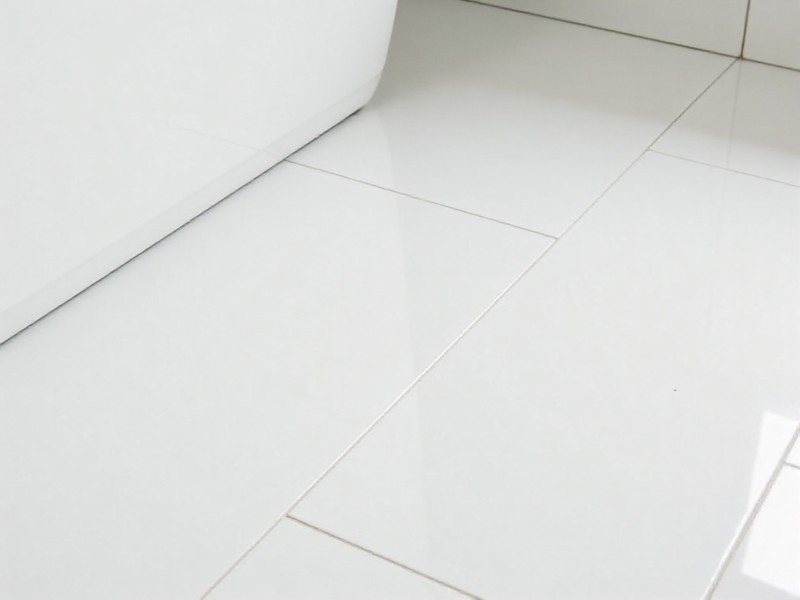
Installation methods depend on the material. Solid hardwood is acclimated in the home and then nailed to the subfloor with a pneumatic flooring nailer. Engineered wood can be nailed, glued or floated. Luxury vinyl plank and laminate usually float over an underlayment with click-lock joints, while tile is set in thinset mortar over cement board or an uncoupling membrane and then grouted. Carpet goes over pad with tack strip at the walls.
Older houses need extra checks. In homes built before 1978, removing baseboards and trim can disturb lead-based paint, and federal EPA rules require certified firms and lead-safe work practices for paid renovation work of that kind. Some older vinyl tile and black mastic adhesive may contain asbestos and should be tested before anyone pulls it up.
Most single-room installations take one to two days, and a typical 800 to 1,200 square foot main floor takes three to five days. Hardwood often needs several days of acclimation before work begins, site-finished hardwood adds drying time between coats, and new tile should not take foot traffic until the thinset has cured, usually about 24 hours.
The job ends with cleanup, a walkthrough of every room with the homeowner, and care instructions for the specific floor that was installed, including the right cleaning products and when furniture can go back.
Advantages of a Properly Installed Floor
Floors That Stay Flat
A leveled, fastened subfloor keeps planks and tiles from flexing under foot traffic. That prevents the hollow spots, squeaks, cracked grout and separating joints that show up within a year or two when new flooring is laid directly over an uneven or loose base.
Warranties Remain Valid
Most flooring manufacturers void their warranty if moisture limits, acclimation times, expansion gaps or approved underlayments are ignored. Installing to the written instructions for each product keeps that coverage in place, so a genuine defect in the material can still be claimed years after the job is done.
Right Material per Room
Kitchens, basements, bathrooms and bedrooms each have different moisture levels and wear. Matching the product to the room, such as waterproof vinyl below grade or hardwood in living areas, avoids costly replacements and gives each space the durability and feel it actually needs.
Clean, Finished Edges
Undercut door jambs, properly sized transitions, scribed cuts around cabinets and neatly reinstalled baseboard make a floor look built-in rather than added on. These details take time and the right saws, and they are what visitors notice first in a newly floored room.
Moisture Problems Caught Early
Testing concrete slabs and wood subfloors before installation identifies moisture that would otherwise cup hardwood, lift vinyl or break adhesive bonds. Catching it at the start means a vapor barrier or a different product can be chosen before money is spent on material that would fail.
Clear, Itemized Pricing
A written quote that lists removal, subfloor preparation, materials, labor and trim separately shows exactly where the money goes. Homeowners can compare options line by line, see what a material upgrade really adds, and avoid surprise charges once the old floor comes up.
Steps From Measurement to Finished Floor
Measure and Inspect
Every room is measured, and the existing floor, subfloor condition, moisture levels and door clearances are checked so the quote reflects the real scope of work.
Choose Material and Approve Quote
Material options are reviewed against the room's use, budget and look, and an itemized written quote covering removal, prep, flooring and trim is provided for approval.
Deliver and Acclimate
Flooring is delivered to the home ahead of time when the product requires it, so wood and some vinyl can adjust to indoor temperature and humidity before installation.
Remove and Prepare
Furniture is moved if arranged, the old floor is removed and hauled away, and the subfloor is repaired, fastened and leveled, with dust protection set up at doorways.
Install and Trim Out
The new floor is installed to the manufacturer's specifications, then transitions, baseboard and shoe molding are fitted and doors are checked to swing freely.
Clean Up and Walk Through
Work areas are cleaned, every room is reviewed with the homeowner, and care and cleaning instructions for the new floor are handed over.
Flooring Installation Questions on Cost, Prep and Timing
Common questions about flooring installation
Flooring installation labor commonly runs about $3 to $8 per square foot, with materials priced separately. Laminate and luxury vinyl sit at the lower end, while nail-down hardwood, tile and stairs cost more. Removal of old flooring and subfloor leveling are added when needed. Beacon Flooring provides an itemized written quote for each Wilton home after measuring.
The best flooring material depends on the room's moisture and traffic. Solid or engineered hardwood suits living areas and bedrooms, luxury vinyl plank handles kitchens and basements well because it resists water, and porcelain tile is the standard for bathrooms and entries. Many Wilton homes combine several materials, with matching transitions at each doorway.
A single room typically takes one to two days to install, and a full main floor of 800 to 1,200 square feet usually takes three to five days. Hardwood may need several days of acclimation beforehand, and extensive subfloor leveling or site-finished hardwood adds time. A schedule with exact dates is set before work begins.
Subfloor preparation means making the base flat, dry, clean and solid before the new floor is laid. Loose plywood is screwed down, high spots are ground, low spots are filled with patch or self-leveler, and moisture is tested. Older Wilton houses with settled framing often need more leveling than newer construction, which is noted in the quote.
Furniture moving can be handled by the Beacon Flooring crew when it is arranged in advance. Homeowners should empty closets, clear small items, dishes and electronics, and take down anything fragile from shelves. Pianos, aquariums, safes and gun cabinets usually need specialty movers. Appliances such as refrigerators can be moved and reconnected as part of the job.
New flooring can sometimes be installed over an existing floor if the old surface is flat, firmly attached and thin enough to avoid door and cabinet clearance problems. Floating vinyl or laminate over sound sheet vinyl is a common example. Carpet, cushioned vinyl and damaged floors almost always need removal first for the new floor to perform properly.
Removing old flooring in an older home is safe when the materials are tested first. Some vinyl tile and black mastic adhesive from past decades contains asbestos, and painted trim in homes built before 1978 may contain lead. Testing before demolition determines whether lead-safe practices or a licensed abatement contractor are required before the new floor goes in.
Most homeowners stay in the house during flooring installation, though the rooms being worked on are off-limits. Click-lock vinyl and laminate can be walked on right away, tile needs about 24 hours for thinset to cure, and site-finished hardwood requires staying off the floor for a few days. Pets should be kept away from the work area.
Sources
- Lead Renovation, Repair and Painting Program, U.S. Environmental Protection Agency — Lead-safe certification rules for work in pre-1978 homes
Service Areas
We proudly serve these locations
Need Flooring Installation in Wilton, CT?
Get a written estimate for your flooring installation, measured in your home.
Call (475) 335-8493Last updated